In an age where sustainability isn’t just a trend but a necessity, solar energy is taking center stage. With falling technology costs, improved efficiency, and favorable government policies, solar plants — both rooftop and utility-scale — have become one of the most viable clean energy investments today.
What Is a Solar Plant?
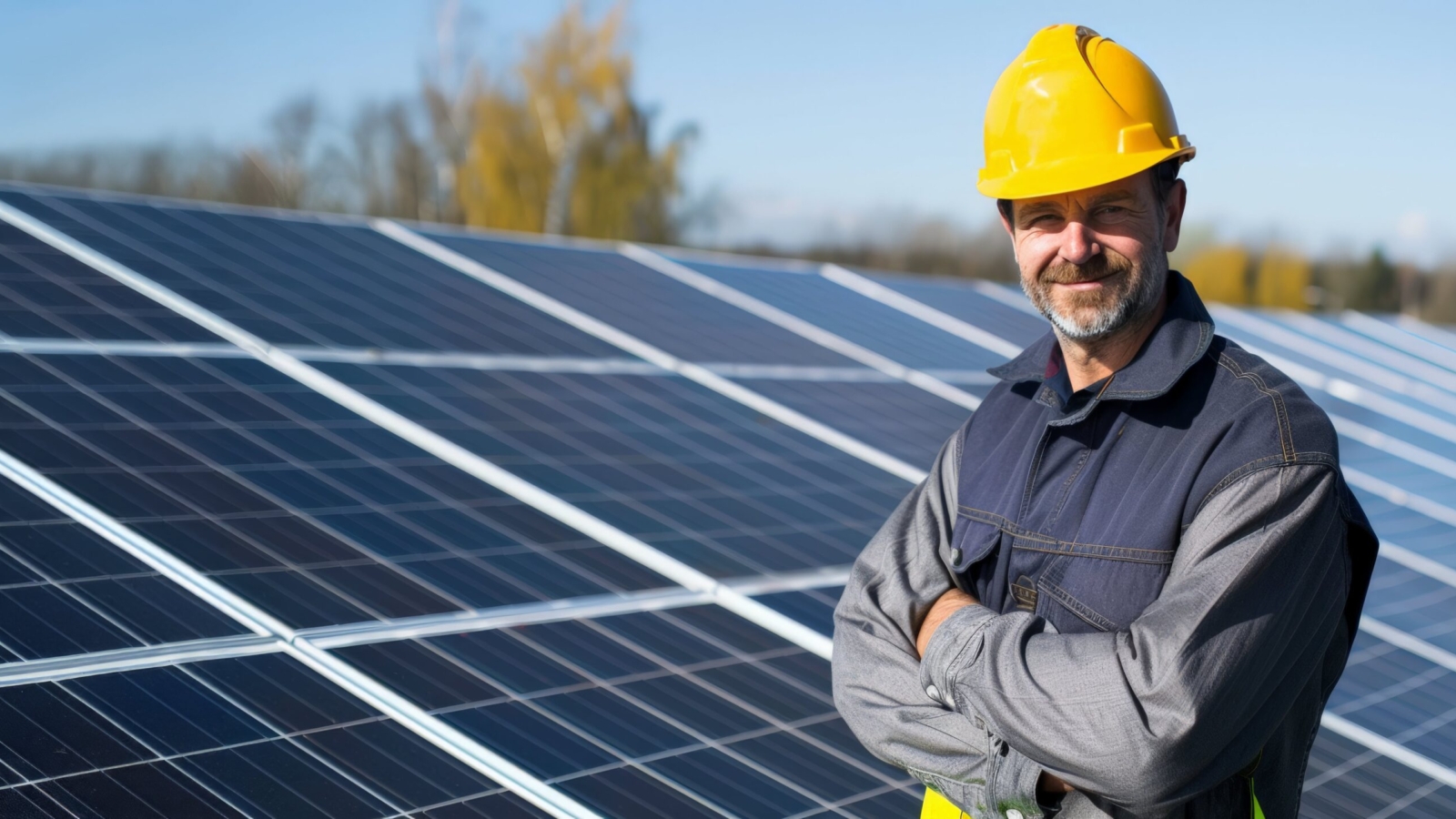
A solar plant (also called a solar power station or solar farm) is a setup where solar panels convert sunlight into electricity, which is then used to power homes, industries, and communities. These plants range from small rooftop systems to sprawling ground-mounted installations generating multiple megawatts of power.
Types of Solar Plants
1. Rooftop Solar Plants
Ideal for homes, societies, schools, and commercial buildings. They utilize unused roof space to generate power, reducing dependence on the grid.
2. Ground-Mounted Utility-Scale Plants
Installed on open land to supply power directly to the grid or large industrial units. These projects often range from 1 MW to 100+ MW capacities.
3. Hybrid Plants with Battery Backup
Combining solar with batteries ensures energy is available even during cloudy days or nighttime — perfect for remote or critical power applications.
Benefits of Setting Up a Solar Plant
✅ Massive Savings: Cut your electricity bills by 60–90%
✅ Green Power: Reduce your carbon footprint
✅ Low Maintenance: Once installed, solar plants require minimal upkeep
✅ High ROI: Payback period as low as 4–6 years
✅ Government Subsidies: Avail net metering, tax depreciation & incentives


my dear friend, so absorbed in the exquisite sense of mere tranquil existence, that I neglect my talents.